


When the power goes out during a storm, your garage door emergency release can mean the difference between being trapped inside and getting out safely. Automatic openers stop working the moment electricity fails, leaving your garage door locked in place until you disengage it manually.
Storms across Northern California often bring heavy rain, strong winds, and sudden outages. Pulling the release at the wrong time can lead to injury or serious damage to the door. Understanding this mechanism before an emergency happens can prevent panic and reduce the risk of avoidable damage.
Below, we explain when to use it, how to disengage it safely, and how to reconnect your system once power returns.
What Is a Garage Door Emergency Release?
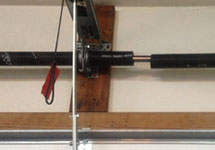
A garage door emergency release is the manual disconnect mechanism, usually a red cord with a handle attached to your opener’s trolley system. Its function is mechanical: when pulled correctly, it separates the garage door arm from the motorized carriage, chain, or belt. This allows the door to move freely along the tracks, relying on the torsion springs for lift support instead of the electric motor.
Federal safety standards require this feature on all modern openers. It serves three critical purposes:
- Power Outages: The most common use, allowing homeowners to leave for work or evacuate during a blackout.
- Motor Failure: If internal gears strip or the circuit board fails during a surge, the release lets you open the door until a technician arrives.
- Emergency Evacuation: In the event of fire or immediate danger where power is cut, the cord ensures you are not trapped inside.
For additional technical guidance on safety standards, industry organizations such as the International Door Association offer detailed garage door safety resources at
When Should You Use the Emergency Release During a Storm?
Not every storm requires manual operation. In fact, using the garage door emergency release improperly during high winds or severe weather events can be dangerous. The wind pressure pushing against the exterior of a garage door can be immense, creating tension that you might not feel from the inside.
Only disengage the system under these conditions:
- The power is completely out.
- The door is fully closed.
- You need manual access to the garage.
- The opener is not responding.
Important: Never pull the release while the door is partially open. Without the motor securing it, a door with a broken or weakened spring can drop suddenly, causing serious injury or property damage.
For broader storm preparation guidance, Ready.gov provides a comprehensive power outage safety checklist
Critical Safety Rule: When in doubt, it is safer to leave the door engaged and consult a professional rather than force a compromised system.
Step-by-Step: How to Disengage the Opener Safely
1. Confirm the Door Is Fully Closed
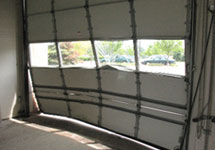
Make sure the door is completely sealed against the ground before pulling the release. If it is stuck open or appears uneven in the tracks, do not disengage it. A broken spring may mean the motor is the only thing holding the door in place. Releasing it in that condition can cause the door to drop suddenly.
2. Pull the Emergency Release Cord
Locate the red handle attached to the opener rail. Pull it straight down to disconnect the trolley from the opener carriage. You should hear a click when it disengages.
3. Lift the Door Slowly
Use both hands to raise the door evenly. A properly balanced garage door should lift without excessive force. If it feels unusually heavy or resists movement, stop immediately. This may indicate a spring issue that requires professional repair.
If you suspect mechanical damage or a broken spring, do not operate the door. Our professional garage door repair services can safely diagnose and restore proper operation before further damage occurs.
Safety Precautions During High Winds
Storm conditions create risks that are not present on a calm day. Strong wind pressure can push against garage door panels, making manual lifting unpredictable and unsafe if not handled carefully.
Keep these precautions in mind:
- Keep fingers clear: Avoid placing your hands between door panels while lifting. As the door moves along the curved track, the joints close tightly and can cause serious hand injuries.
- Never force a stuck door: If the door stops halfway, do not push or pull it aggressively. Storm debris may have bent or obstructed the vertical tracks.
- Avoid lifting near downed power lines: If power lines are down near your driveway, keep the door closed. Garage door tracks and hardware are metal and can conduct electricity.
- Stand to the side: Wind pressure can cause sudden movement once the opener is disengaged. Position yourself to the side rather than directly beneath the door.
Storm-related damage is not always visible immediately. If anything feels unusual after a severe weather event, a professional inspection can help prevent larger issues later.
How to Reconnect the Garage Door After Power Returns
Once power is restored, you can return your system to automatic operation in just a few steps.
- Ensure the door is fully closed: Manually lower the door until it rests completely on the floor.
- Reset the release handle: Pull the red emergency cord toward the door opening, which is the opposite direction from how you disengaged it. This resets the spring lever on the trolley.
- Activate the opener: Press your wall button or remote control. The motor will move the carriage along the rail until it reconnects with the trolley.
- Listen for the click: You should hear a distinct click when the components lock back into place. After reconnection, the door should move normally with the opener.
If the opener does not reconnect properly, avoid forcing it. In some cases, cycling the opener once may allow the carriage to align correctly. If the issue continues, a technician can safely inspect and adjust the mechanism.
Common Emergency Release Problems
Over time, the manual release cord can develop issues, especially if it is rarely used. Common problems include:
- Frayed or broken rope: The cord can weaken or deteriorate over time. If it snaps, you may be unable to disengage the door during an emergency.
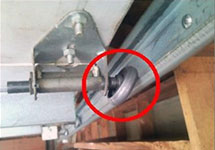
- Rusted trolley mechanism: Corrosion can prevent the release from disengaging properly, particularly in garages exposed to moisture.
- Secured release cord: Some homeowners secure the release cord with zip ties to prevent unauthorized access. While intended for security, this can delay emergency use. A professionally installed shield is a safer alternative if security is a concern.
Regular preventive maintenance reduces the likelihood that these issues will develop unnoticed.
If the release mechanism does not function properly during routine testing, schedule service promptly.
Test Your Manual Release Before Storm Season
Don’t wait until storm season is already here to test your equipment. We recommend checking the garage door emergency release at least twice per year, once in the fall and once in the spring.
To test it safely:
- Close the garage door completely.
- Pull the emergency release cord.
- Lift the door halfway by hand.
- Carefully let go of the door. It should remain in place, supported by the springs.
If the door drops quickly or feels unusually heavy to lift, your spring system may be failing. Scheduling routine service before severe weather arrives helps ensure your system performs safely when needed most. Learn more about our residential garage door installation and repair services
Final Thoughts
Your garage door is one of the largest moving components in your home. Knowing how to use the garage door emergency release safely helps ensure a power outage remains manageable rather than dangerous.
The Door Company provides professional garage door installation, repair, and maintenance services throughout Northern California. Homeowners and businesses in Chico, Yuba City, Redding, and Stockton rely on our certified technicians to keep their systems operating safely year round.
Schedule Garage Door Inspection to schedule your next maintenance visit.