Sliding Driveway Gate Systems: Cantilever vs. V-Track Explained

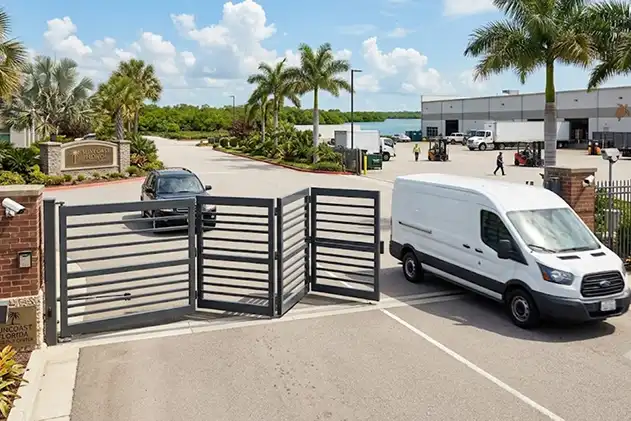
Sliding driveway gate showing cantilever vs V track system comparison

A sliding driveway gate is one of the most practical upgrades homeowners make to improve their property’s security, privacy, and curb appeal. Homeowners often choose sliding systems because they require significantly less space than traditional swing gates and operate smoothly and reliably. When selecting a new system, most homeowners choose between two main mechanical designs: cantilever gates and V-track gates. Understanding how these systems work helps you choose the right solution based on your driveway layout, budget, and maintenance needs.

Unlike swing gates, sliding systems work especially well for homes with short driveways, sloped entrances, or properties where space is limited. This makes them a practical option for both residential and small commercial properties.

Why Homeowners Choose a Sliding Driveway Gate

Many property owners choose sliding gates because they solve common driveway access problems while improving security and convenience.

Common benefits include:

• Saving space on shorter driveways
• Improving property security
• Supporting automatic gate openers
• Reducing long-term maintenance compared to swing gates
• Providing smooth daily operation

What Is a V Track Sliding Gate?

A V-track sliding gate uses heavy-duty wheels mounted on the bottom of the gate that roll along a metal track installed in the driveway. The ground-mounted track supports the entire weight of the gate and guides its movement during opening and closing. Because the ground bears the weight, these systems can support heavy or decorative custom gate designs without structural stress.

One of the biggest advantages of V-track systems is their affordability and straightforward installation. These gates typically cost less up front than cantilever systems because they require fewer structural support components. They work very well for properties with level concrete driveways where track installation is simple.

However, V-track gates do require routine homeowner maintenance. Dirt, leaves, snow, or small debris can collect in the track and must be cleared regularly. For example, a homeowner with large trees near their driveway may need to clear leaves from the track during fall months. This makes them best suited for regions with mild weather or properties where occasional maintenance is manageable.

What Is a Cantilever Sliding Gate?

A cantilever sliding gate works without a ground track. Instead, the gate is supported by rollers mounted on vertical posts, allowing it to slide while suspended above the ground. This creates a floating appearance and eliminates contact with the driveway surface.

Because cantilever gates do not rely on a ground track, they are virtually immune to ground obstructions like snow, ice, leaves, and gravel.

This off-ground design makes cantilever systems a strong choice for uneven driveways, gravel entrances, or areas exposed to harsh weather. They also tend to require less ongoing maintenance since there is no track that needs cleaning.

The main consideration is space. Because the system uses a counterbalance section, extra room along the fence line is needed when the gate opens fully.

Cantilever vs V Track Key Differences

When comparing these two sliding systems, the right choice usually depends on your property layout and long-term expectations. Both types of sliding gate tracks provide excellent security, but they perform differently depending on the environment.

Maintenance Requirements

Cantilever gates usually require the least maintenance because they avoid ground contact. V-track gates require occasional cleaning to remove debris and maintain smooth operation.

Installation Cost

V-track systems are generally more cost-effective for flat driveways. Cantilever gates require additional structural components, which may increase upfront cost but reduce maintenance later.

Driveway Conditions

Cantilever gates perform well on uneven terrain, sloped entrances, or gravel surfaces. V-track gates perform best on flat concrete or asphalt driveways.

Long-Term Reliability

Both systems can last many years when professionally installed. Proper installation and quality hardware play a major role in long-term performance. Homeowners can review general gate safety information here.

Additional home improvement planning tips are available here.

How to Choose the Right Sliding Gate System

Choosing the right sliding driveway gate usually comes down to a few practical questions:

• Is your driveway level or uneven?
• Do you want low maintenance?
• How much side space is available?
• Are you planning to automate the gate?

Answering these questions makes the decision much easier.

Working with an experienced installer also helps ensure accurate measurements and proper hardware selection. Professional installation helps prevent alignment issues that can lead to premature wear.

You can learn more about professional driveway gate installation here.

Final Thoughts

A sliding driveway gate is a major investment in your property’s security, privacy, and curb appeal. Understanding the differences between cantilever and V-track systems helps you choose a solution that fits your terrain, budget, and long-term maintenance expectations. Whether your property benefits more from the stability of a V-track system or the low-maintenance design of a cantilever gate, selecting the right system ensures reliable performance for years to come.

The Door Company provides professional driveway gate installation, repair, and maintenance services throughout Northern California. Homeowners and businesses in Chico, Yuba City, Redding, and Stockton rely on our certified technicians to keep their entrances secure and operating smoothly year-round.

How to Safely Use Your Garage Door Emergency Release During a Storm

When the power goes out during a storm, your garage door emergency release can mean the difference between being trapped inside and getting out safely. Automatic openers stop working the moment electricity fails, leaving your garage door locked in place until you disengage it manually.

Storms across Northern California often bring heavy rain, strong winds, and sudden outages. Pulling the release at the wrong time can lead to injury or serious damage to the door. Understanding this mechanism before an emergency happens can prevent panic and reduce the risk of avoidable damage. 

Below, we explain when to use it, how to disengage it safely, and how to reconnect your system once power returns.

What Is a Garage Door Emergency Release?

A garage door emergency release is the manual disconnect mechanism, usually a red cord with a handle attached to your opener’s trolley system. Its function is mechanical: when pulled correctly, it separates the garage door arm from the motorized carriage, chain, or belt. This allows the door to move freely along the tracks, relying on the torsion springs for lift support instead of the electric motor.

Federal safety standards require this feature on all modern openers. It serves three critical purposes:

  • Power Outages: The most common use, allowing homeowners to leave for work or evacuate during a blackout.
  • Motor Failure: If internal gears strip or the circuit board fails during a surge, the release lets you open the door until a technician arrives.
  • Emergency Evacuation: In the event of fire or immediate danger where power is cut, the cord ensures you are not trapped inside.

For additional technical guidance on safety standards, industry organizations such as the International Door Association offer detailed garage door safety resources at 

When Should You Use the Emergency Release During a Storm?

Not every storm requires manual operation. In fact, using the garage door emergency release improperly during high winds or severe weather events can be dangerous. The wind pressure pushing against the exterior of a garage door can be immense, creating tension that you might not feel from the inside.

Only disengage the system under these conditions:

  • The power is completely out.
  • The door is fully closed.
  • You need manual access to the garage.
  • The opener is not responding.

Important: Never pull the release while the door is partially open. Without the motor securing it, a door with a broken or weakened spring can drop suddenly, causing serious injury or property damage.

For broader storm preparation guidance, Ready.gov provides a comprehensive power outage safety checklist

Critical Safety Rule: When in doubt, it is safer to leave the door engaged and consult a professional rather than force a compromised system.

Step-by-Step: How to Disengage the Opener Safely

1. Confirm the Door Is Fully Closed

Make sure the door is completely sealed against the ground before pulling the release. If it is stuck open or appears uneven in the tracks, do not disengage it. A broken spring may mean the motor is the only thing holding the door in place. Releasing it in that condition can cause the door to drop suddenly.

2. Pull the Emergency Release Cord

Locate the red handle attached to the opener rail. Pull it straight down to disconnect the trolley from the opener carriage. You should hear a click when it disengages.

3. Lift the Door Slowly

Use both hands to raise the door evenly. A properly balanced garage door should lift without excessive force. If it feels unusually heavy or resists movement, stop immediately. This may indicate a spring issue that requires professional repair.

If you suspect mechanical damage or a broken spring, do not operate the door. Our professional garage door repair services can safely diagnose and restore proper operation before further damage occurs.

Safety Precautions During High Winds

Storm conditions create risks that are not present on a calm day. Strong wind pressure can push against garage door panels, making manual lifting unpredictable and unsafe if not handled carefully.

Keep these precautions in mind:

  • Keep fingers clear: Avoid placing your hands between door panels while lifting. As the door moves along the curved track, the joints close tightly and can cause serious hand injuries.
  • Never force a stuck door: If the door stops halfway, do not push or pull it aggressively. Storm debris may have bent or obstructed the vertical tracks. 
  • Avoid lifting near downed power lines: If power lines are down near your driveway, keep the door closed. Garage door tracks and hardware are metal and can conduct electricity.
  • Stand to the side: Wind pressure can cause sudden movement once the opener is disengaged. Position yourself to the side rather than directly beneath the door.

Storm-related damage is not always visible immediately. If anything feels unusual after a severe weather event, a professional inspection can help prevent larger issues later.

How to Reconnect the Garage Door After Power Returns

Once power is restored, you can return your system to automatic operation in just a few steps.

  1. Ensure the door is fully closed: Manually lower the door until it rests completely on the floor.
  2. Reset the release handle: Pull the red emergency cord toward the door opening, which is the opposite direction from how you disengaged it. This resets the spring lever on the trolley.
  3. Activate the opener: Press your wall button or remote control. The motor will move the carriage along the rail until it reconnects with the trolley.
  4. Listen for the click: You should hear a distinct click when the components lock back into place. After reconnection, the door should move normally with the opener.

If the opener does not reconnect properly, avoid forcing it. In some cases, cycling the opener once may allow the carriage to align correctly. If the issue continues, a technician can safely inspect and adjust the mechanism.

Common Emergency Release Problems

Over time, the manual release cord can develop issues, especially if it is rarely used. Common problems include:

  • Frayed or broken rope: The cord can weaken or deteriorate over time. If it snaps, you may be unable to disengage the door during an emergency.
  • Rusted trolley mechanism: Corrosion can prevent the release from disengaging properly, particularly in garages exposed to moisture.
  • Secured release cord: Some homeowners secure the release cord with zip ties to prevent unauthorized access. While intended for security, this can delay emergency use. A professionally installed shield is a safer alternative if security is a concern.

Regular preventive maintenance reduces the likelihood that these issues will develop unnoticed.

If the release mechanism does not function properly during routine testing, schedule service promptly.

Test Your Manual Release Before Storm Season

Don’t wait until storm season is already here to test your equipment. We recommend checking the garage door emergency release at least twice per year, once in the fall and once in the spring.

To test it safely:

  1. Close the garage door completely.
  2. Pull the emergency release cord.
  3. Lift the door halfway by hand.
  4. Carefully let go of the door. It should remain in place, supported by the springs.

If the door drops quickly or feels unusually heavy to lift, your spring system may be failing. Scheduling routine service before severe weather arrives helps ensure your system performs safely when needed most. Learn more about our residential garage door installation and repair services

Final Thoughts

Your garage door is one of the largest moving components in your home. Knowing how to use the garage door emergency release safely helps ensure a power outage remains manageable rather than dangerous.

The Door Company provides professional garage door installation, repair, and maintenance services throughout Northern California. Homeowners and businesses in Chico, Yuba City, Redding, and Stockton rely on our certified technicians to keep their systems operating safely year round.

Schedule Garage Door Inspection  to schedule your next maintenance visit.

How Commercial Garage Doors Enhance Property Protection

When it comes to safeguarding your business, few features are as important or as overlooked as your commercial garage door. These heavy-duty systems do far more than just open and close. They serve as a crucial layer of defense against theft, weather damage, and operational downtime, while also improving your building’s efficiency and value.


At The Door Company, we’ve installed and maintained thousands of commercial garage doors across Northern California, and we’ve seen firsthand how the right door can make all the difference in property protection.


Why Security Starts With Your Garage Doors

Your business’s garage doors are often one of the largest access points to your building, and that makes them a prime target for unauthorized entry. Investing in durable, well-built commercial garage doors adds a powerful barrier between your property and potential threats.

High-quality commercial doors are built with reinforced steel, advanced locking systems, and optional security features like keypads, sensors, and remote monitoring. These features work together to deter intruders, prevent break-ins, and ensure your valuable equipment, vehicles, and inventory remain secure.


Protection Against Weather and Environmental Damage

Beyond security threats, the right garage doors also defend your property against environmental hazards. Strong winds, heavy rain, and temperature fluctuations can take a toll on your building and on anything stored inside.

Modern commercial garage doors are designed to provide a tight, weather-resistant seal, keeping out moisture, dust, and debris. This helps preserve your equipment, reduces potential damage, and extends the life of everything inside your facility.


Minimizing Downtime and Operational Risks

A damaged or malfunctioning door can disrupt your operations, slow down workflows, and even halt business altogether. That’s why regular maintenance and professional installation are key.

With proper upkeep, including inspections, lubrication, and timely repairs, your commercial garage doors will operate smoothly and reliably. This consistency helps ensure your business runs efficiently without unexpected delays or costly interruptions. Learn more about our commercial garage door maintenance services to keep your system in peak condition.


Boosting Curb Appeal and Property Value

While security and functionality are top priorities, aesthetics shouldn’t be overlooked. Modern commercial garage doors come in a variety of styles and finishes, allowing you to enhance your building’s appeal to potential customers while maintaining robust protection.

A well-maintained, visually appealing door can also increase the overall value of your property, an added bonus if you ever decide to sell or lease your space.


Why Choose The Door Company

With decades of experience serving businesses across California, The Door Company specializes in secure, high-performance commercial garage doors designed to protect your property and support your operations. From custom installations to emergency repairs, our team is committed to delivering reliable solutions that keep your business safe and secure.


Final Thoughts

Investing in quality commercial garage doors is one of the smartest ways to enhance property protection. By combining strength, security features, and reliable performance, they safeguard your assets, prevent costly damage, and keep your operations running smoothly, all while adding long-term value to your property.

Ready to upgrade your commercial business security? Contact The Door Company today to schedule a consultation or request a free quote.

How to Choose the Best Garage Door for Your Business

commercial garage door

When it comes to running a successful business, the right garage door is more than just a functional feature, it’s an investment in security, efficiency, customer trust, and brand image. Whether you’re looking for a new garage door for your restaurant, warehouse, auto shop, retail space or industrial facility, the garage door you choose plays a major role in the efficiency of your daily operations.

Here are the top features to consider when choosing the perfect garage door for your business.

Prioritize Security
Your garage door is often the largest entry point to your business. A strong, durable door with secure locking systems helps protect valuable equipment, inventory, and staff. Consider steel or aluminum doors for maximum protection, and don’t forget to explore advanced access control options for added security.

Consider Daily Usage
Different businesses use garage doors in different ways. If your door opens and closes multiple times a day, look for high-cycle doors designed to handle heavy use. For occasional access, a standard commercial overhead door may be more than enough.

Energy Efficiency Matters
Insulated garage doors can help regulate indoor temperatures, reducing heating and cooling costs. For businesses like warehouses or workshops, an insulated garage door is a smart investment that pays off in energy savings.

Choose the Right Style & Material
Your garage door contributes to curb appeal and can reflect your company’s professionalism. Aluminum and glass doors work well for showrooms, while steel is popular for industrial spaces. Consider materials that balance durability, aesthetics, and budget.

Safety First
Employee safety should always be a top priority. Modern commercial garage doors can be equipped with safety sensors, motion detectors, and auto-reverse functions to reduce the risk of accidents.

Work with a Trusted Professional
A high-quality garage door is only as good as its installation. Partner with experienced garage door specialists like The Door Company, California’s trusted experts for over 30 years, to ensure your business gets the best fit, function, and ongoing support.

Contact us today to schedule a consultation and find the perfect garage door solution for your business!

Guide to Troubleshooting the Most Common Garage Door Problems

If you own a home or business with a garage, you’ve likely experienced at least one of the most common garage door problems. From a door that won’t open to one that makes loud, grinding noises, to broken springs or cables, we’ve seen it all. These issues can be frustrating, inconvenient, and sometimes even unsafe. Understanding the causes of common garage door problems and knowing a few quick troubleshooting tips can save you time and money, and help you determine when it’s time to call a professional like The Door Company for expert assistance.


  1. Your Garage Door Won’t Open or Close

Possible Causes: Unbalanced power source disruption, misaligned or blocked safety sensors, broken springs or cables.

Quick Fixes: Check if the opener is plugged in and the circuit breaker hasn’t tripped, clean and align the safety sensors to ensure they’re unobstructed. If you suspect broken springs or cables, stop using the door and call a professional immediately as these parts can be dangerous to handle on your own.


  1. Noisy Garage Door Operation

Possible Causes: Loose hardware, worn rollers, or insufficient lubrication.

Quick Fixes: Tighten bolts and screws on tracks and hinges, apply a silicone-based lubricant to rollers, springs, and hinges. If the noise persists, it may be time for roller replacement or track adjustments. Don’t forget to schedule garage door maintenance at least annually, or more for older models.


  1. Garage Door Opens Unevenly

Possible Causes: Track misalignment, damaged springs, or obstructions in the tracks.

Quick Fixes: Inspect tracks for bends, debris, or gaps, remove any obstructions and gently straighten small bends with pliers. Major misalignments or broken springs should be handled by a professional.


  1. Remote or Keypad Isn’t Working

Possible Causes: Dead batteries, signal interference, or other programming issues.

Quick Fixes: Replace the batteries in your garage remote or keypad. Check for objects that might block the signal. If none of these fix the issue, reprogram your opener according to the manufacturer’s instructions or call an expert for help.


  1. Garage Door Closes Too Quickly

Possible Causes: Broken springs or worn cables, faulty opener settings.

Quick Fixes: If you notice frayed cables or damaged springs, stop using the door and call an expert immediately, as these are serious safety hazards. Otherwise, check your opener’s force and limit settings to ensure they’re properly adjusted to your garage door.


The Door Company is Here for All Your Garage Door Emergencies

Dealing with common garage door problems doesn’t have to be stressful. By identifying the cause early and trying a few simple troubleshooting steps, you can often get your door working smoothly again. However, some issues like broken springs, severe track misalignment, or a door that’s come off its rails require the expertise and tools of a trained technician. At The Door Company, we’ve specialized in repairing and maintaining all types of garage doors for over 30 years. We are here to help you ensure your home or business stays secure and functional. If you’re facing any of these common garage door problems, contact us today for fast, professional service you can trust in California.