Should You Repair or Replace Your Garage Door? Here’s How to Decide

newly intalled brown steel garage door

Your garage door is one of the hardest-working systems on your property. It opens and closes hundreds—sometimes thousands of times each year, securing your home or business while providing daily access. But when something goes wrong, many owners face the same question: Should you repair your garage door, or is it time to replace it?
The answer isn’t always obvious, but a few key factors can guide the decision.


Start With the Age of Your Garage Door
Most garage doors last 15–30 years, depending on material, climate, and maintenance. If your door is only a few years old and still structurally sound, repairs usually make sense. But if the door is reaching the end of its lifespan, repairs often become more frequent—and more expensive. At that point, replacement may be the more cost-effective option.


Consider the Type and Severity of the Damage
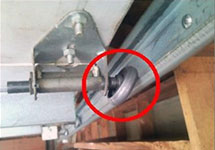
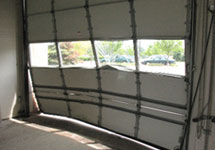
Not all damage is the same. Cosmetic issues like minor dents, paint chips, or worn weather stripping are simple to repair. But structural problems like bent tracks, warped panels, cracked sections, or failing springs—can compromise the entire system. Severe damage may affect safety and reliability, especially if the door is loud, shaky, or unbalanced.
For minor mechanical issues, repairs can restore smooth operation. For major structural damage, replacement ensures long-term safety and performance.


Evaluate How Often You’re Calling for Repairs
If you feel like you’re scheduling service visits every few months, that’s often a sign your system is wearing down. Older doors and openers eventually require repeated fixes because multiple components begin to fail at the same time. Instead of spending money on patchwork repairs, a new door or upgraded opener can save you time, frustration, and long-term costs.

Check the Condition of Your Opener
Sometimes the problem isn’t the door—it’s the opener. If your opener is outdated, noisy, or struggling to lift the door, an opener replacement can solve the issue without replacing the entire system. But if both the opener and the physical door are aging or malfunctioning, upgrading everything together provides better reliability and security.

Think About Energy Efficiency and Insulation
Modern garage doors are engineered with improved insulation, tighter seals, and quieter, smoother operation. If your current door lacks insulation or shows gaps that let in drafts, pollen, or smoke, upgrading can boost home comfort and reduce energy loss—especially in Northern California’s varied climate. Repairing an uninsulated or outdated door won’t deliver these benefits the way a replacement can.


Assess Curb Appeal and Property Value
Your garage door makes up a large portion of your exterior. If your current door is faded, dented, or outdated, replacing it can dramatically enhance curb appeal—and it consistently ranks as one of the top home improvement projects for return on investment. If aesthetics matter or you’re preparing to sell, a new door is often the smarter choice over repairing an old one.


When Repair Is the Right Choice
Repair typically makes sense when:

  • The door is less than 10–15 years old
  • Damage is minor or cosmetic
  • Only one component has failed (like a spring, cable, or sensor)
  • The door is still structurally sound


When Replacement Is the Better Option
Replacement is usually the smarter investment when:

  • Your door is reaching the end of its lifespan
  • Damage is widespread or structural
  • You’re experiencing frequent breakdowns
  • The door is visibly outdated, loud, or unsafe
  • You want better insulation, security, or curb appeal


The Door Company Can Help You Choose the Best Option
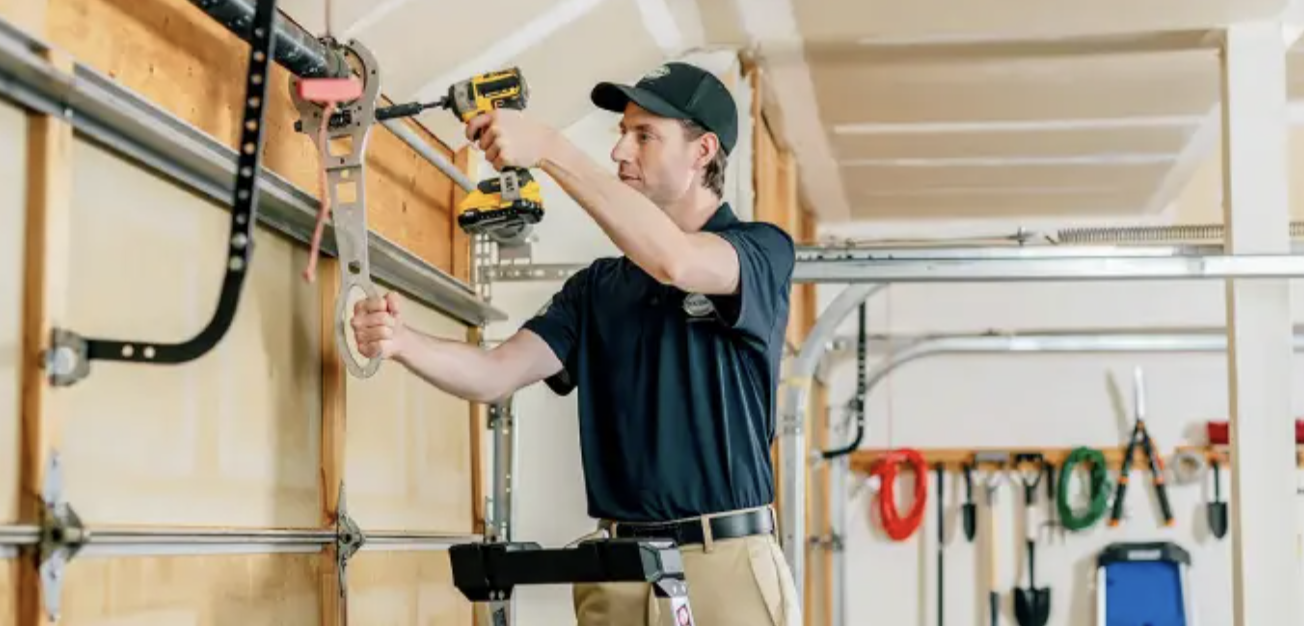
Whether you need a simple repair or a full system upgrade, The Door Company provides expert recommendations based on honesty, safety, and long-term value. Our team can inspect your garage door or gate, diagnose the issue, and help you decide the most cost-effective path forward.

From retail storefronts to large commercial properties, and from residential homes to high-traffic facilities, we’ve been Northern California’s trusted garage door and security gate experts for over 30 years.


Ready to schedule an inspection or get a quote?
Contact The Door Company today—your safety, security, and peace of mind come first.

Why Your Garage Door Won’t Close (And What to Do About It)

Few things are more frustrating than hitting the garage door remote— and nothing happens. Or worse, the door starts to close, then reverses for no clear reason. When garage doors are often the main entry point for the home, this kind of issue can throw off your whole day.

Before you panic (or call for service), let’s walk through some of the most common reasons your garage door won’t close and what you can do to fix them.


Check the Safety Sensors

Modern garage doors are equipped with photo-eye sensors on either side of the door, a few inches off the ground. If something is blocking the beam, or the sensors are dirty or misaligned, your door won’t close.


Quick fix:

Make sure nothing is in the way. Wipe the sensors clean with a soft cloth and check that they’re facing each other directly.


Your Remote Needs a Battery (or Reprogramming)

Sometimes, the problem is as simple as a dead battery in your remote. If the wall button works but the remote doesn’t, this is likely your issue. If the remote and wall control don’t work, it may be a programming or wiring problem.


Quick fix:

Try replacing the battery first. If that doesn’t help, you may need to reprogram the remote or call a technician to inspect the wall unit wiring.


The Door Tracks Are Blocked or Damaged

Even a small object in the track — or a bent section — can stop the door from moving properly. California’s dry climate can cause dust, small debris, or even a loose bolt to cause problems over time.


Quick fix:

Look along the tracks for anything out of place. Clear any obstructions, and don’t try to bend or force anything yourself, as damaged tracks require professional repair.


Broken Garage Door Springs or Cables

If you hear a loud snap or the door feels incredibly heavy when trying to close it manually, a spring or cable might be broken. These are essential parts of your system and can be dangerous to fix on your own.


What to do:

Call a garage door technician immediately. Do not attempt to repair or replace springs or cables without the proper tools and experience, serious injuries may occur.


The Door Limit Settings Are Off

Garage door openers have settings that tell the door how far to open or close. If these settings shift (especially after a power outage or installation), the opener may think the floor is an obstruction and reverse.


Quick fix:

Check your owner’s manual for instructions on adjusting the limit settings. It’s a small adjustment, but it can make a big difference.


Still Stuck? Let the Pros Handle It.

If your garage door still won’t close after checking these issues, it might be time to call in the experts. Our technicians are trained to diagnose and repair all makes and models. We serve homeowners throughout California with fast, reliable service. Contact The Door Company today for emergency garage door repair and get your door (and your day) back on track!

What Can A Certified Garage Door Technician Offer?

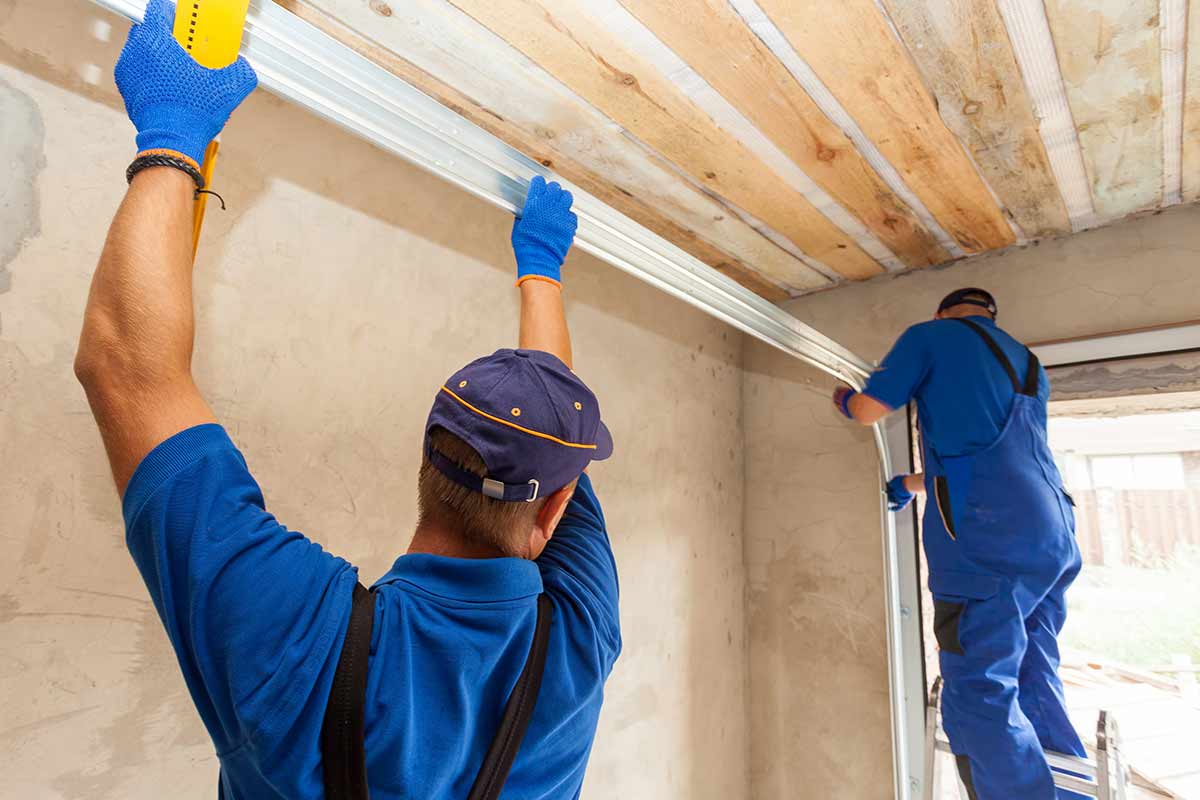
Garage door technician installing a garage door

A certified garage door technician is a professional who has been trained and educated in the installation, repair, and maintenance of garage doors. They have the knowledge and skills to diagnose and fix problems with garage door systems, ensuring they are working safely and efficiently. Continue reading

What is the Difference between a Partition and Operable Wall?

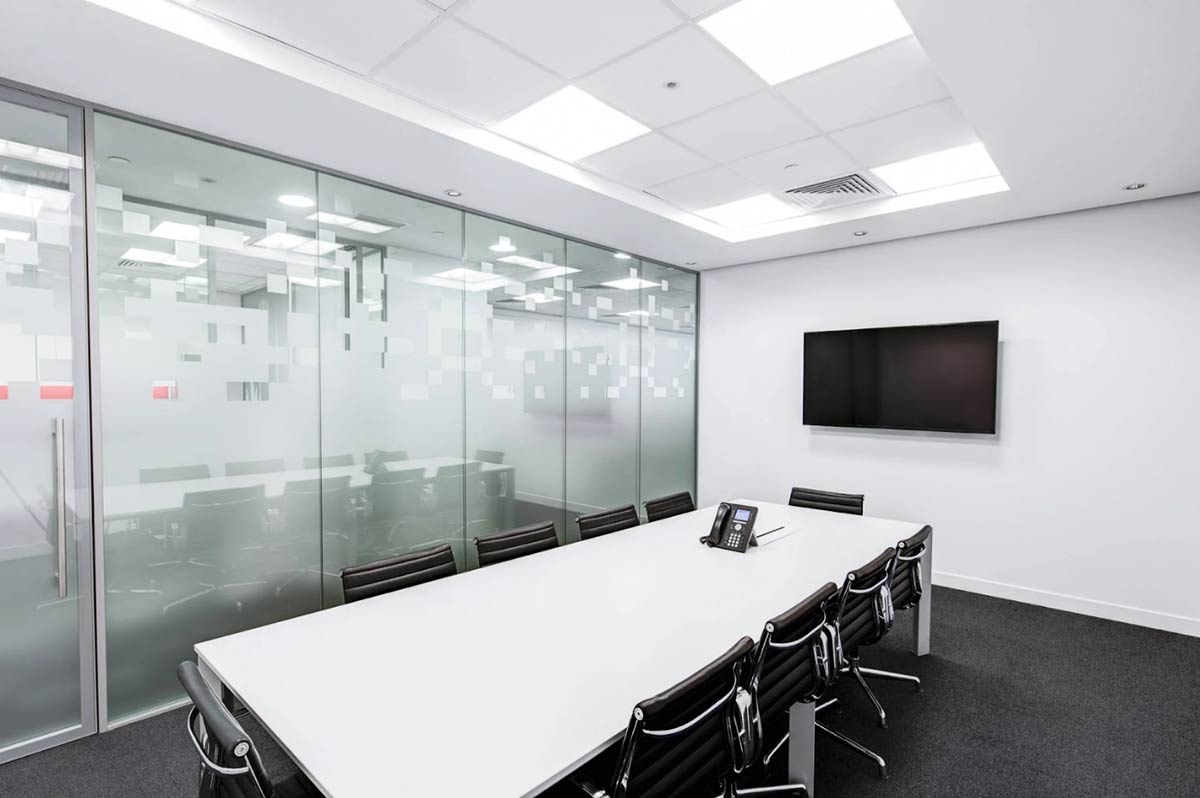
Glass operable wall being used in an office environment. It looks like a regular glass wall with no tracks or wheels.

Both partitions and operable walls are great for creating unique spaces within your office, at a conference, or exhibition. While both choices serve a similar purpose, an operable wall and a partition each have unique differences that are better suited for different environments. Depending on your needs, one may be better or more cost-effective than the other. While both options have been designed to offer a premium finish that defines a space while adding privacy for meetings, interviews, or events, let’s explore the differences between a partition and an operable wall so you can make the best choice when preparing your event, office, or meeting room.  

Continue reading

Reviewing the Common Types of Commercial Doors

a storefront with mutiple types of commercial doors. its a commercial front with regualr size garage door next to a tall coiling door. The building exterior is gray and the doors themselves are blue.

Built with varying designs and uses, commercial doors can be a great asset to a business both aesthetically and from an operational standpoint. However, not every door fits all. In order to know which door fits your specific needs, you need to know what types are available. Here are just some of the types of commercial doors offered at The Door Company.

Continue reading